Tea Tasting Consultant: How Professional Cupping Keeps Your Blend Consistent
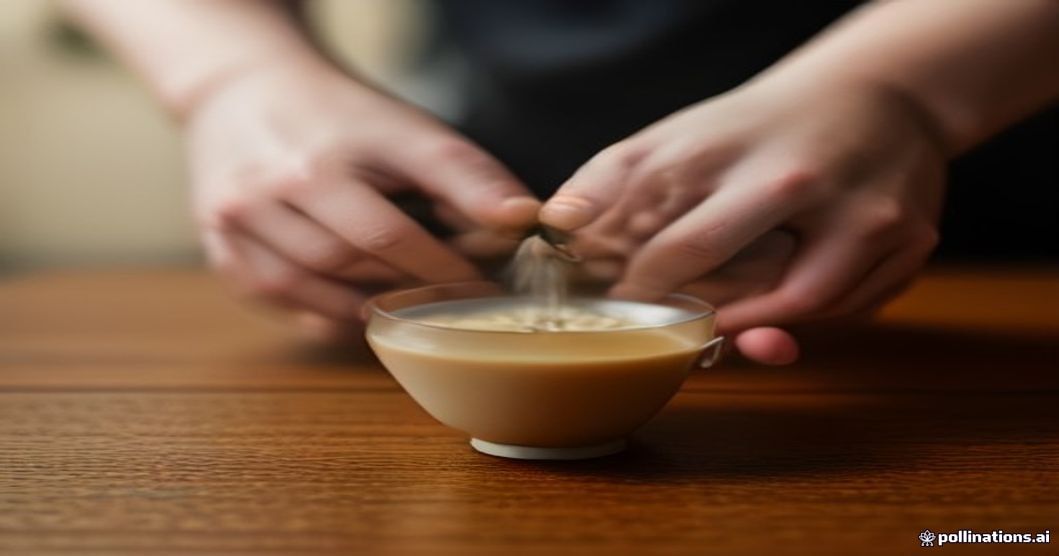
Every tea brand eventually meets the same problem: the blend that won customers over starts to drift. A new garden lot tastes thinner, a fresh batch brews darker, or a supplier swaps one grade for another. A tea tasting consultant brings a structured way of evaluating tea so you can catch those changes early and keep your product consistent from one purchase to the next.
What a Tea Tasting Consultant Actually Evaluates
Professional tea tasting, often called cupping, is not about personal preference. It is a repeatable method for describing a tea against a standard. A typical session looks at:
- Dry leaf - appearance, grade, size uniformity, and how much dust or stalk is present.
- Infused leaf - the colour and evenness of the wet leaf after brewing.
- Liquor - colour, brightness, and clarity in the cup.
- Taste and mouthfeel - strength, briskness, body, astringency, and any off-notes.
- Behaviour with milk - for many Indian blends, how the tea holds its colour and strength once milk and sugar are added.
Each sample is brewed with the same weight of leaf, the same water, the same temperature, and the same steeping time. That discipline is what turns tasting into a tool you can rely on.
Why Consistency Matters More Than a Perfect Cup
Customers rarely notice when a tea is excellent once. They notice immediately when their usual tea tastes different. For a brand, a steady, predictable cup builds reorders. Tea is an agricultural product, so no two lots are identical; the job of tasting is to decide how to blend and adjust so the final product stays within an agreed range.
Building a Reference Standard
The most useful thing you can create with a tasting consultant is a reference standard - a retained sample of your approved blend along with written notes describing it. Every new lot or production batch is then cupped side by side with that standard. Questions to settle when you set it up:
- Which attributes are non-negotiable (for example, liquor colour or strength with milk)?
- How much variation is acceptable before a batch is rejected or re-blended?
- How will retained samples be stored, labelled, and replaced over time?
- Who on your team signs off on a batch, and how is that recorded?
Where Tasting Fits in Your Business
Tasting is useful at several points, not just at the start:
- Sourcing - comparing offers from suppliers before you commit to a purchase.
- Blend development - adjusting proportions of different teas to reach a target profile.
- Incoming checks - confirming that delivered tea matches the sample you approved.
- Finished product checks - making sure packed tea, premixes, or flavoured blends match the standard before dispatch.
If you make flavoured teas or instant premixes, the same principle applies: the base tea needs to be tasted and approved before flavour or other ingredients are added, otherwise problems get masked rather than solved.
Training Your Own Team
A good consultant should leave you less dependent on outside help, not more. Ask for simple, written tasting procedures and a shared vocabulary your staff can use. Even a small team can run basic side-by-side cupping once the method, equipment, and reference samples are in place.
Getting Started
Before your first session, gather samples of your current blend, a few recent lots from suppliers, and any customer feedback about taste changes. That gives the tasting work a clear purpose from day one.
B K R Global Consultancy works with food and hospitality businesses. If you would like to talk about tea tasting and keeping your blend consistent, call +91 98745 65993.